Hawkmoths of Brazil by Alan Martin
IDENTIFICATION KEY: CALLIONIMA
See also the Photo Gallery or Pinned Specimens or General Information
1. Callionimas with a silver discal spot
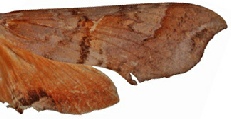
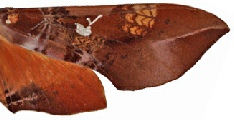
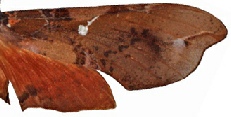
C. falcifera: easily confused with parce and both have acutely pointed and falcated apexes to the forewing. Parce is usually darker and more grey, becoming paler nearer the apex, than the richer and more uniform brown falcifera. Note the shape and extent of the pale patch between the apical streak and outer margin of the forewing. In parce there is a broad triangular shaped pale patch, whereas in falcifera the pale patch is usually restricted to a narrow band at right angles to the inner end of the apical streak. Note also the relative shape and size of the paler areas between the silver marks and the apex. Falcifera is only found in the South and South-
Wing: 28-
C. parce: see falcifera above.
Wing: 26-
C. guiarti: previously a subspecies of parce but now split and virtually identical, but browner and found in dryer areas.
Wing: 26-
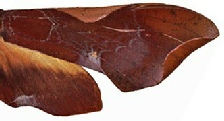
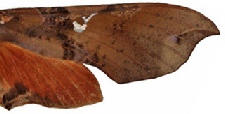
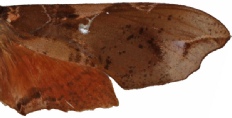
C. pan: the only Callionima species occuring in Brazil with a rounded forewing apex. Note also the lack of the ‘window’ markings between the silver discal spot and the apex. The subspecies C. pan neivai occurs in the South-
Wing: 26-
C. inuus: the long straight apical streak is distinctive, but note also the shape and size of the ‘window’ markings between the silver discal spot and the apex.
Wing: 31-
C. acuta: most similar to parce but the ground colour is darker overall and with a smaller discal spot. Note also the darker sub-
Wing: 32-
2. Callionimas without a discal spot
C. grisescens: lacking the silver discal spot but it does have a small silver line in the discal area. Generally greyer and more uniform forewings.
Wing: 22-
C. nomius: rich dark brown forewings with a paler brown triangular mark on the costa.
Wing: 32-
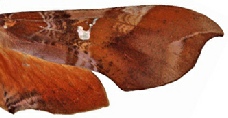
falcifera
parce
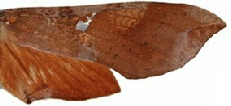
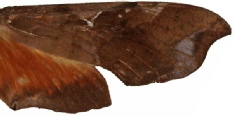
C. pan pan
C. pan neivai